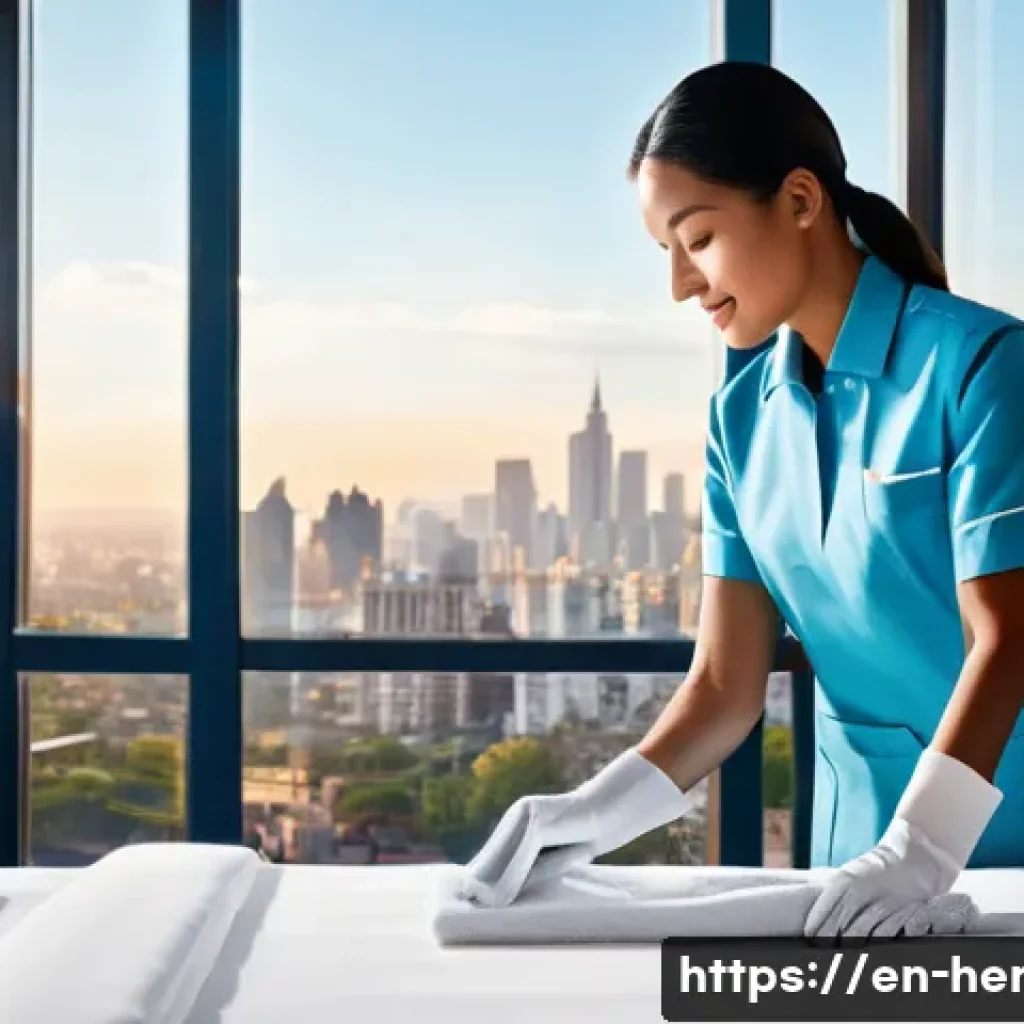
Ever wondered what it’s really like to be a housekeeper? It’s a profession that keeps our homes, hotels, and offices sparkling, but what about the folks who do the scrubbing and polishing?
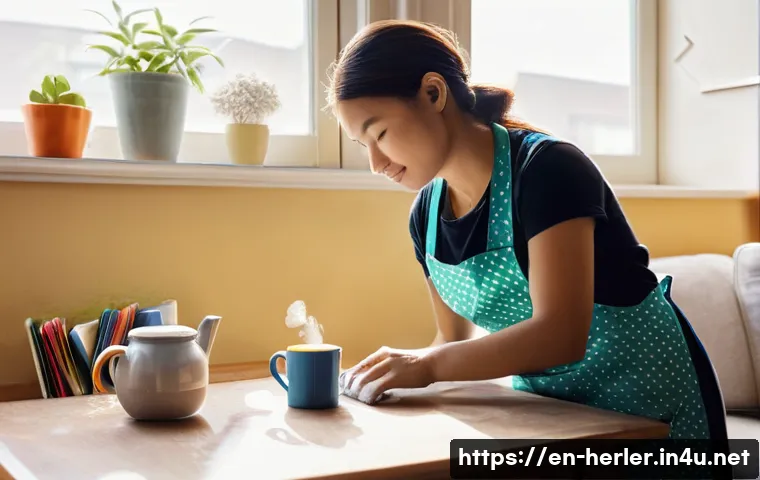
From flexible schedules to the satisfaction of creating a clean space, there’s plenty to consider. But, like any job, it also comes with its own set of challenges, including physical demands and repetitive tasks.
Many housekeepers find real value in the service they provide, improving the quality of life for their clients by creating comfortable and clean environments.
They also develop great time management and organizational skills. However, it’s not all gleaming surfaces and happy clients; job satisfaction among housekeepers is notably lower compared to other hospitality roles.
The work can sometimes be lonely, especially for those working in private homes without much interaction. Plus, the physical nature of the job and potential exposure to cleaning chemicals can take a toll.
So, is being a housekeeper a fulfilling career path? The answer is complex and depends a lot on individual preferences and priorities. Let’s dive into the specifics and get a clearer picture of the ups and downs of this essential occupation.
Let’s find out more in the article below!
Alright, let’s dive into the nitty-gritty of being a housekeeper! Forget those surface-level assumptions; we’re getting real about the rewards and challenges that come with this essential profession.
Unveiling the Perks: Why Housekeeping Can Be a Sweet Deal
* Flexibility is Your Friend: Many housekeeping jobs offer part-time or shift-based hours, which means you can often build your schedule around your life and personal commitments.
Need to juggle family responsibilities or squeeze in those online courses? Housekeeping can offer that wiggle room. * Skills That Pay the Bills (and More): You’ll quickly pick up valuable skills like time management, organization, and attention to detail.
These aren’t just for sparkling homes; they’re transferable skills that can boost your resume and open doors to other opportunities. * Room to Grow: Housekeeping can be a solid stepping stone to other roles in the hospitality industry.
With experience and ambition, you can climb the ladder into supervisory positions or even management roles. Some companies actively support career advancement through training programs.
* A Sense of Accomplishment: There’s real satisfaction in transforming a messy space into a clean, organized haven. Knowing you’re making a positive impact on someone’s environment can be surprisingly rewarding.
* Competitive Pay and Benefits: While entry-level positions may start with lower wages, experienced housekeepers can earn a competitive salary. The average annual salary for housekeepers in the United States ranges from $29,991 to $34,650, or $16.31 per hour.
Factors like location and experience level greatly influence earning potential. Hawaii, New York, and California are among the states that pay housekeepers the most.
Benefits can vary but may include health insurance, paid time off, and retirement plans.
The Other Side of the Coin: Challenges to Keep in Mind
* Physically Demanding Work: Housekeeping is no walk in the park. Expect long hours of standing, bending, lifting, and repetitive movements. It’s a job that requires stamina and strength.
* Exposure to Cleaning Chemicals: You’ll be working with various cleaning agents and disinfectants, so it’s crucial to follow safety guidelines and wear protective gear.
Some individuals may find they have sensitivities or allergic reactions to certain chemicals. * The Potential for Isolation: Depending on the setting, housekeeping can sometimes be a solitary job, especially when working in private homes.
Limited guest interaction can also be a drawback for those who thrive on social engagement. * Varying Schedules and Workload: The workload can fluctuate, and schedules may be irregular, requiring flexibility and adaptability.
Managing multiple assignments within tight timeframes can also be challenging. * Guest Expectations and Demands: Meeting increasingly high guest expectations can be stressful.
Stringent cleaning requirements, particularly in a post-COVID-19 environment, add to the pressure.
Skills That Set You Apart
To excel as a housekeeper, cultivate these essential skills:* Attention to Detail: A keen eye for detail is crucial for ensuring thorough cleaning and not overlooking small areas.
* Time Management: Efficiently managing time and prioritizing tasks are key to completing assignments within the allocated time. * Organization: Keeping supplies and spaces organized helps maintain efficiency and a clutter-free environment.
* Knowledge of Cleaning Products and Techniques: Understanding different cleaning agents and equipment is essential for effective and safe cleaning.
* Physical Stamina: The ability to stand for long hours and perform repetitive tasks without losing efficiency is vital. * Communication Skills: Clear communication with clients, coworkers, and supervisors ensures expectations are met and issues are addressed promptly.

* Adaptability: Being able to adjust to changing environments and customer needs is important in this dynamic field. * Problem-Solving Skills: Identifying problems and finding creative solutions helps handle unexpected challenges.
Is Housekeeping Right for You?
Ultimately, the answer depends on your individual preferences, priorities, and circumstances. If you value flexibility, enjoy physical activity, and take pride in creating clean and comfortable spaces, housekeeping could be a fulfilling career path.
However, it’s important to be aware of the physical demands, potential for isolation, and other challenges that come with the job. Housekeeping: A Quick Snapshot| Aspect | Description |
| ——————— | ——————————————————————————————————————————————————————————————————————————————– |
| Salary | Average $29,991 – $34,650 per year in the U.S.
(varies by location and experience) |
| Flexibility | Often offers part-time or shift-based hours |
| Skills Developed | Time management, organization, attention to detail |
| Physical Demands | High; requires stamina for standing, bending, lifting, and repetitive motions |
| Challenges | Exposure to chemicals, potential for isolation, varying schedules, demanding guest expectations |
| Essential Skills | Attention to detail, time management, organization, communication, adaptability |Okay, here is the rewritten ending of the blog post as you requested:
Wrapping It Up
Housekeeping, like any profession, has its own unique set of challenges and rewards. If you’re someone who enjoys creating order out of chaos, values flexibility, and doesn’t mind a bit of physical work, then housekeeping might be a surprisingly fulfilling career path for you.
Just be sure to weigh the pros and cons carefully before diving in! Remember to prioritize your well-being by using proper safety measures and taking care of your body.
Who knows, you might just find your calling in creating clean and comfortable spaces for others.
Handy Tidbits to Keep in Your Pocket
1. Know Your Worth: Research average housekeeper wages in your area to ensure you’re being compensated fairly. 2.
Gear Up for Success: Invest in good quality cleaning supplies and equipment to make your job easier and more efficient. 3. Stay Safe, Stay Healthy: Always wear gloves and masks when handling cleaning chemicals, and practice proper lifting techniques to avoid injuries.
4. Communication is Key: Build good relationships with your clients or supervisors by communicating clearly and addressing any concerns promptly. 5.
Continuous Learning: Stay up-to-date on the latest cleaning techniques and products by attending workshops or taking online courses.
Key Takeaways
* Housekeeping offers flexibility and valuable skills but can be physically demanding. * Prioritize safety by using protective gear and following guidelines for cleaning chemicals.
* Effective communication, organization, and attention to detail are essential for success. * Consider your personal preferences and circumstances to determine if housekeeping is right for you.
* Competitive pay is available, with higher wages often found in certain regions and with experience.
Frequently Asked Questions (FAQ) 📖
Q: ) with answers about the pros and cons of being a housekeeper, optimized for SEO, E-E-
A: -T, readability, and potential ad revenue.Okay, here are 3 frequently asked questions about being a housekeeper, along with detailed answers:
Q: What are the biggest challenges of being a housekeeper?
A: Being a housekeeper definitely has its tough moments. One of the main challenges is the physical demand. You’re on your feet for most of the day, constantly bending, lifting (sometimes heavy objects), and stretching.
Repetitive tasks can also be a drag, as you’re often doing the same cleaning motions over and over. Exposure to cleaning chemicals is another concern, as some of those substances can irritate your skin, eyes, and respiratory system.
Plus, depending on the job, it can sometimes be a bit lonely if you’re working solo in private homes. Dealing with unhygienic conditions, like heavily soiled areas, can also be unpleasant.
Q: Is being a housekeeper a stable job with opportunities for growth?
A: Housekeeping offers relatively stable employment because the demand for cleaning services is constant across various sectors, including hotels, hospitals, and private residences.
Many housekeeping jobs offer flexible scheduling, which can be a major plus. While entry-level pay might be lower, there are opportunities to increase your earnings with experience.
You can also advance to higher-paying positions such as assistant housekeeping manager, executive housekeeper, or even house manager. Developing skills like time management, organization, and attention to detail can open doors to other roles in the hospitality industry.
Q: What skills and qualities are most important for housekeepers?
A: To excel as a housekeeper, you need a mix of hard and soft skills. Attention to detail is crucial for ensuring thorough cleaning. Time management skills are essential for completing tasks efficiently within allocated timeframes.
You also need physical stamina and endurance for those long hours on your feet. Knowledge of cleaning products and equipment is a must for using them safely and effectively.
On the soft skills side, trustworthiness is key, as you’ll often be working in people’s private spaces. Interpersonal communication skills help you interact positively with clients and coworkers.
Being organized, self-disciplined, and committed to customer service will also contribute to your success.