
Finding the right training program for domestic helpers can be a game-changer, especially when it comes to enhancing their skills and boosting confidence.

With so many options available, it’s important to choose one that offers practical knowledge, hands-on experience, and up-to-date techniques. Whether you’re an employer looking to invest in quality care or a helper aiming to improve your expertise, the right course can make all the difference.
I’ve explored several programs and noticed how some stand out by focusing on real-world scenarios and personalized guidance. Let’s dive deeper and discover which training options truly deliver the best results!
Essential Skills Every Domestic Helper Training Should Cover
Practical Household Management Techniques
When it comes to training domestic helpers, practical household management is the cornerstone. This includes efficient cleaning methods, laundry care, and organizing living spaces in a way that saves time and effort.
I’ve noticed that programs focusing on real-life situations, such as handling delicate fabrics or managing clutter in busy households, tend to be much more effective.
It’s not just about following a checklist; it’s about understanding the nuances of different homes and adapting accordingly. A helper who masters these skills can turn a chaotic environment into a smoothly running household, which is a huge relief for any employer.
Meal Preparation and Nutrition Basics
Many training courses overlook the importance of meal preparation, but this is a vital area where helpers can shine. Courses that teach simple, healthy cooking techniques, safe food handling, and menu planning provide a big boost to a helper’s confidence.
From my experience, helpers who can prepare balanced meals tailored to family preferences or dietary restrictions become indispensable. This also includes understanding kitchen hygiene and food storage, which are crucial for preventing foodborne illnesses.
The right program will offer hands-on cooking sessions, allowing helpers to practice and receive feedback, which makes a significant difference.
Effective Communication and Emotional Intelligence
Communication is often underestimated in domestic helper training, yet it’s key to creating a harmonious home environment. Programs that incorporate modules on active listening, clear expression of needs, and managing stress help helpers navigate the sometimes challenging dynamics with employers.
Emotional intelligence training, including empathy and conflict resolution, equips helpers to respond calmly and professionally in tough situations. From what I’ve seen, helpers who are comfortable communicating tend to develop stronger trust with their employers, leading to a better working relationship overall.
Choosing a Training Program with Hands-On Learning Opportunities
Why Practical Experience Trumps Theory
The value of hands-on learning cannot be overstated. While theoretical knowledge forms a foundation, it’s the actual practice of tasks that builds confidence and competence.
Training programs that include supervised practical sessions allow helpers to make mistakes in a safe environment and learn from them. For example, practicing stain removal on different fabrics or simulating emergency first aid builds real-world readiness.
Personally, I’ve found that helpers who undergo such experiential learning adapt faster and perform better on the job.
Simulated Real-Life Scenarios for Better Preparedness
Some of the best training programs use role-playing and scenario-based exercises to mimic common household challenges. This might include handling a sudden medical emergency, managing a child’s tantrum, or dealing with unexpected guests.
These simulations help helpers think on their feet and respond appropriately under pressure. A helper who has been through these scenarios is less likely to panic and more likely to maintain composure, which is invaluable in any home setting.
Personalized Coaching and Feedback
No two helpers learn at the same pace or have the same strengths and weaknesses. Training programs that offer personalized coaching and regular feedback sessions stand out because they tailor the learning experience.
I’ve seen helpers benefit immensely from mentors who provide constructive criticism and encouragement, helping them focus on areas needing improvement while reinforcing their strengths.
This personalized approach not only accelerates skill acquisition but also boosts morale and motivation.
Understanding Certification and Accreditation in Training Programs
Why Accreditation Matters for Employers and Helpers
Accreditation from recognized bodies ensures that a training program meets industry standards and delivers quality education. For employers, choosing accredited courses means investing in helpers who have been properly vetted and trained.
For helpers, certification can open doors to better job opportunities and higher wages. From my perspective, accredited programs also tend to update their curriculum regularly, keeping pace with evolving household needs and regulations.
Comparing Certification Levels and Their Benefits
Not all certifications are created equal. Some programs offer basic certificates focusing on foundational skills, while others provide advanced diplomas that include specialized training such as elderly care or childcare.
Helpers with advanced certifications often command higher salaries and enjoy greater job security. Employers should consider their household’s specific needs when selecting a training program, ensuring that the certification aligns with those requirements.
How to Verify a Program’s Credibility
With the abundance of training options, verifying a program’s credibility is crucial. Look for endorsements from reputable organizations, positive reviews from past participants, and transparent course content.
Personally, I recommend contacting training providers directly to ask about instructor qualifications, course duration, and post-training support. This due diligence helps avoid programs that might look good on paper but fall short in practice.
Key Features That Make a Training Program Stand Out
Comprehensive Curriculum Covering Diverse Tasks
The best training programs don’t just focus on cleaning or cooking; they cover a broad spectrum of responsibilities including basic first aid, child supervision, and elderly care.
A helper trained in multiple areas brings versatility to the household. I’ve observed that helpers who complete such comprehensive courses feel more prepared and confident to handle unexpected situations, which is a huge asset for any family.
Flexible Learning Formats to Suit Different Schedules
Life commitments often make it hard for helpers to attend long, rigid training sessions. Programs offering flexible formats—such as weekend classes, online modules combined with in-person practice, or self-paced learning—tend to have higher completion rates.
From helpers I’ve talked to, having the option to balance work and training without overwhelming pressure makes the learning process much more enjoyable and effective.
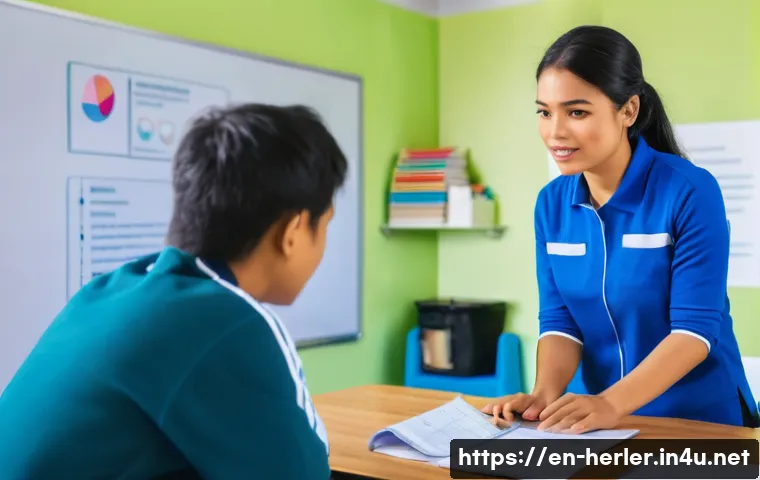
Ongoing Support and Refresher Courses
Learning doesn’t end with the certificate. Quality programs provide ongoing support through refresher courses, access to resource materials, or online communities.
This continuous engagement helps helpers stay updated on new techniques and maintain their skills. I personally appreciate programs that check in with graduates periodically, offering advice and encouragement long after the initial training is complete.
Cost vs. Value: Making the Smart Investment in Training
Analyzing the True Cost of Training Programs
Price is often a deciding factor, but it’s important to look beyond the initial fee. Some inexpensive courses might lack depth or practical components, while pricier programs often include materials, certification, and hands-on sessions.
From what I’ve experienced, investing a bit more in a comprehensive, well-structured course pays off in the long run through improved helper performance and reduced turnover.
Balancing Budget with Quality and Outcomes
Employers and helpers alike should prioritize programs that balance affordability with quality. Sometimes, group training sessions or employer-sponsored programs offer discounts without sacrificing content.
Helpers who have undergone well-rounded training tend to require less supervision and deliver higher quality work, which ultimately saves money and stress for employers.
Evaluating Return on Investment Through Performance
The best way to assess if a training program is worth it is by observing tangible improvements. This could be a helper’s increased efficiency, better handling of household tasks, or improved interpersonal skills.
I’ve witnessed helpers who completed thorough training become proactive problem solvers rather than reactive workers, which clearly demonstrates a strong return on investment.
Training Programs Comparison Table
| Program Name | Hands-On Practice | Certification Type | Course Duration | Cost Range | Special Features |
|---|---|---|---|---|---|
| HomeCare Pro | Extensive practical sessions | Certified Diploma | 8 weeks | $500 – $700 | Childcare & elderly care modules, personalized coaching |
| SkillBuild Domestic | Moderate, with simulated scenarios | Basic Certificate | 4 weeks | $200 – $350 | Flexible schedule, online and offline blend |
| SafeHands Training | Hands-on first aid focus | Specialized Certification | 6 weeks | $400 – $600 | Emergency preparedness, food safety emphasis |
| Elite Helper Academy | Comprehensive practical labs | Advanced Diploma | 12 weeks | $800 – $1,000 | All-round skills, ongoing refresher courses |
Leveraging Technology to Enhance Domestic Helper Training
Incorporating Online Learning Platforms
Technology has revolutionized how domestic helpers can access training. Online platforms enable helpers to learn at their own pace and revisit complex topics as needed.
From my discussions with helpers, those who use apps or websites that include video tutorials and quizzes find it easier to retain information. This digital approach is especially useful for helpers balancing work and study, allowing them to squeeze in lessons during breaks.
Using Virtual Reality for Immersive Training
Some cutting-edge programs have started integrating virtual reality (VR) to simulate household tasks and emergencies in a controlled environment. This immersive experience helps helpers gain confidence before stepping into real homes.
I had the chance to try a VR module focused on kitchen safety, and it felt incredibly effective in highlighting hazards and proper responses in a way traditional training can’t replicate.
Mobile Apps for Continuous Skill Development
Mobile applications designed for domestic helpers provide ongoing learning opportunities and quick access to troubleshooting guides. Helpers can refresh their skills on the go, receive reminders about best practices, and even connect with trainers for advice.
This continuous learning loop is a game-changer, ensuring helpers stay sharp and informed long after their initial course completion.
In Conclusion
Training domestic helpers with a well-rounded approach equips them to handle diverse household tasks confidently and efficiently. Practical experience, emotional intelligence, and ongoing support are key to their success. Choosing the right program not only benefits helpers but also brings peace of mind to employers. Investing in quality training ultimately creates a harmonious and well-managed home environment.
Useful Information to Keep in Mind
1. Practical skills like cleaning, cooking, and organizing form the foundation of effective domestic helper training and directly impact daily household management.
2. Communication and emotional intelligence training improve relationships between helpers and employers, fostering trust and cooperation.
3. Hands-on practice and simulated scenarios boost helpers’ confidence and prepare them for real-life challenges in the home.
4. Accreditation and certification ensure training programs meet industry standards and enhance employability and job security for helpers.
5. Leveraging technology such as online platforms, VR, and mobile apps offers flexible, continuous learning that adapts to helpers’ busy schedules.
Key Takeaways
Choosing a domestic helper training program requires careful consideration of curriculum comprehensiveness, practical learning opportunities, and ongoing support. Prioritizing accredited programs with personalized coaching ensures helpers gain valuable, up-to-date skills. Employers should balance cost with quality to maximize return on investment, resulting in better performance and a smoother household operation. Embracing technology-driven training methods further enhances skill retention and adaptability for helpers in today’s dynamic home environments.
Frequently Asked Questions (FAQ) 📖
Q: What should I look for when choosing a training program for domestic helpers?
A: When selecting a training program, focus on courses that offer practical, hands-on experience rather than just theoretical knowledge. Programs that simulate real-life scenarios, such as child care, elderly assistance, or household management, tend to be more effective.
Also, check if the training includes up-to-date techniques and personalized guidance tailored to the helper’s specific needs. From my experience, courses that balance skill-building with confidence-boosting activities lead to the best outcomes.
Q: How can a well-designed training program benefit both employers and domestic helpers?
A: A solid training program benefits everyone involved by improving the helper’s skills and boosting their confidence, which directly translates to better care and efficiency at home.
Employers get peace of mind knowing their helper is well-prepared for various tasks, reducing stress and potential misunderstandings. I’ve seen firsthand how investing in quality training can build a more harmonious and productive working relationship, making daily routines smoother for both parties.
Q: Are there affordable yet effective training options available for domestic helpers?
A: Absolutely! While some premium programs come with a higher price tag, many affordable or even free courses provide excellent training by focusing on core skills and practical knowledge.
Look for community-based workshops, online modules, or government-supported initiatives that emphasize hands-on learning. In my experience, the key is not just the cost but how well the program matches the helper’s learning style and goals, ensuring they get the most value without breaking the bank.