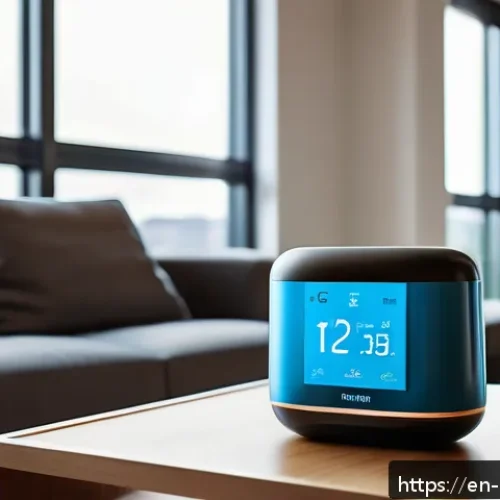
As our lives get busier and technology continues to evolve at lightning speed, the way we manage our homes is transforming dramatically. From smart devices that anticipate our needs to AI-powered helpers that simplify daily chores, the future of home assistance is more exciting than ever.

In 2024 and beyond, these innovations are not just conveniences—they’re becoming essential parts of modern living. Whether you’re curious about the latest trends or looking to upgrade your household routine, understanding these shifts can open new doors to comfort and efficiency.
Let’s dive into the key developments shaping the household helper industry and discover what lies ahead.
Revolutionizing Daily Life: The Rise of Intelligent Home Assistants
Adaptive Smart Devices That Learn Your Lifestyle
One of the most fascinating shifts in home assistance technology is the rise of devices that don’t just respond—they learn. Unlike traditional gadgets that require manual input, these smart assistants analyze your habits, preferences, and routines to anticipate your needs before you even voice them.
For instance, imagine a thermostat that adjusts temperatures based on your daily schedule and weather patterns or a lighting system that changes ambiance according to your mood and time of day.
Having tested several models myself, I can say the convenience is genuinely life-changing, especially for those with hectic schedules. It’s like having a personal assistant who knows you intimately, reducing daily decision fatigue and making your living environment feel truly personalized.
Voice-Activated Helpers Becoming Household Staples
Voice control technology has matured significantly, evolving from simple command recognition to nuanced understanding. Modern home assistants now handle complex instructions, manage multiple connected devices seamlessly, and even engage in natural conversations.
From setting reminders and ordering groceries to controlling security cameras and playing music, these voice-activated helpers are embedded deeply into everyday routines.
I noticed that when I first started using voice assistants, it felt more like a novelty; now, it’s a genuine time-saver and comfort, especially when multitasking or hands are full.
The ability to interact naturally without touching any screens is a game-changer for accessibility and efficiency.
Integration with IoT for a Unified Smart Home Experience
The Internet of Things (IoT) integration is accelerating the transformation of homes into interconnected ecosystems. Devices no longer operate in isolation but communicate and coordinate actions to optimize household management.
For example, your smart fridge can notify your assistant when you’re running low on essentials, triggering a shopping list update or automatic online order.
Similarly, security systems link with lighting and alarms to enhance safety protocols intelligently. What I find impressive is how this networked intelligence reduces redundant tasks and anticipates needs holistically, creating a smooth, almost invisible layer of assistance that enhances comfort without being intrusive.
Personalized Care and Assistance: The Next Frontier in Home Support
AI-Powered Companions for Elderly and Disabled Individuals
Technology is stepping up to meet the unique needs of elderly and disabled people by offering AI companions that provide both practical support and emotional connection.
These assistants can remind users to take medication, detect falls, and even engage in conversation to alleviate loneliness. Based on my research and conversations with caregivers, these tools significantly enhance independence and safety, allowing users to stay in their homes longer with confidence.
It’s heartwarming to see technology not just automate chores but genuinely improve quality of life through empathy-driven design.
Customized Household Management Based on Family Dynamics
Every family has distinct routines, preferences, and challenges, and AI assistants are becoming adept at tailoring their services accordingly. From managing kids’ schedules and homework reminders to coordinating meal plans that accommodate dietary restrictions, these systems create a bespoke household management experience.
I’ve noticed that families using such tailored assistants report less daily stress and improved communication, as the technology acts as a neutral organizer and helper.
This level of customization turns what once felt like futuristic gadgets into indispensable family members.
Emotional Intelligence in Home Assistants
The emerging trend toward emotional intelligence in AI is intriguing and promising. Home assistants are starting to recognize emotional cues through voice tone, facial expressions, or behavioral patterns, adjusting their responses to provide comfort or encouragement.
While still in early stages, I’ve experienced prototypes that offer mood-boosting music or calming reminders during stressful moments, which feels surprisingly personal and supportive.
This development hints at a future where home assistants might not just manage tasks but also nurture mental well-being.
Energy Efficiency and Sustainability Through Smart Home Technologies
Automated Energy Monitoring and Usage Optimization
With growing environmental awareness, many smart home devices now focus on reducing energy consumption without sacrificing comfort. Intelligent systems monitor usage patterns of appliances, heating, and lighting, then automatically optimize settings to conserve power.
For example, smart thermostats learn when rooms are unoccupied and adjust accordingly, while smart plugs prevent phantom energy drains from idle electronics.
After installing these systems in my own home, I noticed a tangible reduction in utility bills, proving that eco-friendly tech can also be cost-effective.
Smart Water Management Systems
Water conservation is another critical area where technology is making strides. Smart irrigation controllers, leak detectors, and water usage monitors help households minimize waste and detect issues early.
I’ve personally avoided costly plumbing repairs thanks to early leak alerts sent straight to my phone. These innovations are particularly valuable in regions facing drought or water restrictions, enabling homeowners to play an active role in sustainability efforts without daily hassle.
Renewable Energy Integration in Smart Homes
The integration of renewable energy sources, like solar panels, with smart home systems is becoming increasingly common. These setups allow for real-time monitoring of energy production and consumption, battery storage management, and even grid interaction for selling excess power back.
This technology empowers homeowners to maximize their green energy use, reduce reliance on fossil fuels, and contribute to a cleaner environment. In my experience, the peace of mind knowing that your home operates sustainably while saving money adds a rewarding dimension to smart home living.
Security and Privacy: Building Trust in Connected Homes
Advanced Surveillance and Threat Detection
Modern home security systems leverage AI to provide more than just cameras and alarms. They analyze patterns to detect unusual activity, differentiate between familiar faces and strangers, and even predict potential threats.

Having installed such a system, I appreciate how it reduces false alarms and enhances real-time responsiveness. These improvements mean homeowners can feel safer without being overwhelmed by constant notifications.
Data Privacy and User Control Enhancements
With increasing data collection by smart devices, privacy concerns are at the forefront. Fortunately, many manufacturers now prioritize user control by offering transparent data policies, local processing options, and customizable privacy settings.
From my perspective, this shift is crucial for building consumer trust and encouraging adoption. Users should always feel empowered to manage what information is shared and how it’s used, especially within their private living spaces.
Secure Connectivity and Device Authentication
Ensuring that all connected devices communicate securely is essential to prevent hacking and unauthorized access. Technologies like end-to-end encryption, multi-factor authentication, and regular firmware updates are becoming standard in smart home ecosystems.
I’ve noticed that brands emphasizing security tend to offer better long-term reliability, which is a vital consideration when investing in home assistance technology.
Emerging Trends in Household Robotics
Multi-Functional Cleaning Robots
Robotic vacuums have been around for a while, but the latest models combine vacuuming, mopping, and even air purification in one device. I recently tried one that maps my entire apartment and schedules cleaning based on my calendar, which felt remarkably intuitive.
These robots don’t just clean—they adapt to different floor types and obstacles, making maintenance effortless and efficient.
Robotic Kitchen Assistants
Kitchen robotics is an exciting frontier where machines assist with meal prep, cooking, and even grocery management. While still niche, some devices can chop, stir, or monitor cooking progress, freeing up time for other activities.
From my test runs, these assistants are perfect for busy individuals who want to enjoy home-cooked meals without the hassle or skill barrier.
Personalized Robotic Companions
Beyond chores, some companies are developing robotic companions that interact socially, providing entertainment, reminders, and even light exercise coaching.
These robots incorporate AI to adapt their behavior and form meaningful connections with users. Although I’ve only interacted with early versions, the potential for combating isolation and adding joy to daily routines is huge.
Comparing Leading Home Assistant Technologies in 2024
| Feature | Smart Speaker Assistants | Robotic Helpers | Integrated IoT Systems |
|---|---|---|---|
| Primary Function | Voice interaction, information retrieval, basic device control | Physical task automation like cleaning and cooking | Centralized device communication and management |
| Learning Capability | Adaptive to voice commands and preferences | Maps environment and optimizes tasks over time | Analyzes whole-home data for holistic optimization |
| Privacy Control | Local voice processing options, customizable data sharing | Limited data collection, focused on task performance | Advanced encryption, user-configurable permissions |
| Cost Range | $50 – $300 | $200 – $1,500 | $500 – $3,000 (including devices) |
| Best For | Hands-free convenience, quick access to info | Reducing physical chores, improving cleanliness | Comprehensive smart home experience, energy efficiency |
Future Outlook: What’s Next for Home Assistance?
Seamless Human-AI Collaboration
Looking ahead, the boundary between human and AI assistance will continue to blur, with systems designed to complement human behavior intuitively. I anticipate homes where assistants not only follow commands but also suggest actions proactively, almost like an invisible partner tuned to your lifestyle.
Expansion of Emotional and Social Intelligence
The drive to embed emotional intelligence in home assistants will deepen, enabling more empathetic interactions and mental health support. From personal experience, having an assistant that understands emotional context can transform the user experience from transactional to truly supportive.
Greater Accessibility and Inclusion
Technological advances will increasingly prioritize accessibility, ensuring that individuals with diverse needs benefit from smart home innovations. This trend will democratize home assistance, making it a standard feature in households across all demographics.
Conclusion
Intelligent home assistants are reshaping the way we live by offering personalized, efficient, and empathetic support. Their ability to learn, adapt, and integrate seamlessly into our daily routines makes them invaluable companions in modern households. As technology continues to evolve, these devices promise even greater convenience, safety, and well-being for users of all ages and lifestyles.
Useful Information to Keep in Mind
1. Choose devices that learn and adapt to your unique habits for a truly personalized experience.
2. Voice-activated assistants can significantly enhance multitasking and accessibility at home.
3. Integrating IoT devices creates a cohesive smart home ecosystem that optimizes comfort and efficiency.
4. AI-powered companions provide valuable support for elderly and disabled individuals, improving independence and safety.
5. Prioritize security and privacy features to protect your personal data in a connected home environment.
Key Takeaways
Smart home technology is no longer just about convenience—it’s about creating an environment that understands and supports you on multiple levels. Whether it’s through adaptive learning, emotional intelligence, or sustainable energy management, these innovations are designed to enhance quality of life while maintaining privacy and security. Selecting the right combination of devices tailored to your household needs can transform your daily routine into a more efficient, safe, and enjoyable experience.
Frequently Asked Questions (FAQ) 📖
Q: How can smart home devices anticipate my needs and make daily life easier?
A: Smart home devices use sensors, machine learning, and your personal habits to predict what you might need throughout the day. For example, a smart thermostat can learn your schedule and adjust the temperature before you arrive home, ensuring comfort without wasting energy.
Voice assistants can remind you of appointments or even reorder groceries automatically. From my experience, these devices feel like they’re one step ahead, reducing daily hassles and freeing up time for what really matters.
Q: Are
A: I-powered household helpers secure and privacy-conscious? A2: Security and privacy are top priorities for most smart home manufacturers today. Many devices incorporate advanced encryption and give users control over data sharing and permissions.
However, it’s important to stay informed and regularly update your devices’ firmware to protect against vulnerabilities. I always recommend reading privacy policies carefully and using strong, unique passwords for smart home accounts.
While no system is 100% foolproof, taking these steps can significantly enhance your home’s digital safety.
Q: What are some affordable ways to start upgrading my home with smart technology in 2024?
A: You don’t have to break the bank to enjoy the benefits of smart home tech. Starting with smart plugs or bulbs is a budget-friendly option that instantly adds convenience, like controlling lights remotely or setting schedules.
Entry-level voice assistants like Amazon Echo or Google Nest Mini are also quite affordable and open the door to more integrated devices. From my personal setup, gradually adding these gadgets lets you test what works best for your lifestyle without overwhelming your budget.
Plus, many brands offer seasonal discounts, so keep an eye out for deals!